
By: Zach Fulwood
It’s hard to look at our society today and not see a trend of self loathing becoming more and more popular, especially with the younger generation. Popular music has become more openly self-deprecating (not in a funny way), watching television feels like a therapy session, and you can’t go anywhere without someone mentioning social anxiety or depression. If It wasn’t for the fact that I actually go outside and interact with people, I would be lead to believe that everybody is just walking around sad all day. Oddly enough, the perception of worldwide sadness has become cool and in style, especially on social media.
It wasn’t that long ago when social media was the haven to flaunt your most glamorous lifestyle and post about how much better you were at life than everyone else. Though most of it was a facade and the furthest thing from the reality you lived, it was fun because it was the reality you created and had control over. I mean, who could resist the opportunity to capitalize on those elusive “likes” by creating their own highlight reel for everyone else to see and possibly envy?
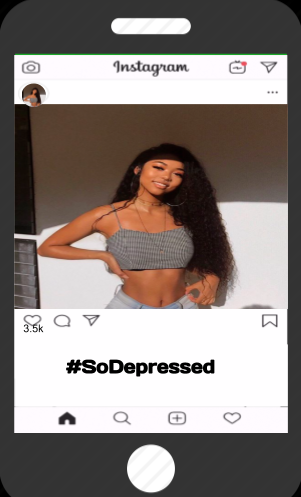
Though that flashy and boastful social media presence still exists, over the past few years we have embarked on the era of sadness and self loathing as the preeminent way to boost those “likes”. From social media posts and hashtags about anxiety and depression to full on YouTube channels dealing with the matter of mental illness, there’s an overwhelming feeling that everyone is dealing with some sort of serious emotional issues. And if they’re not, there’s something wrong with them.
This isn’t to say that people don’t have bad days and shouldn’t be allowed to express those feelings socially if they so choose to. They absolutely should and in the case of mental illness, normalizing it is incredibly important because there is a stigma around mental illness that is damaging for those wanting to seek help but too afraid to. That said, these emotional issues shouldn’t be used as a way to gain followers and boost “likes” for the sake of gaining attention and currency.
Obviously, drama and scandal sells. There’s money to be made in being happy but, there’s just as much money in being sad. However, using anxiety and depression as an aesthetic is nasty all the way around. Social media is and will always be a hotbed for group think and all who participate in it play a part in deciding what’s trendy and what isn’t. Despite the perception of social media, there’s very little room for individuality. While we all say we want happiness, it seems that what we really want, is to be in a continual pursuit of happiness with no real intention of finding it.
Categories: Lifestyle
 Culturally Biased
Leave a comment